


Table of Contents
The Emotional Effects After a Car Accident

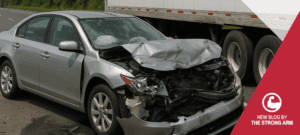
Car accidents are, unfortunately, all too common in the busy metro areas of Denver. So common, in fact, that many motorists regard the occasional scrape as a routine annoyance, something to get past as quickly as possible. But a car accident can be a life-altering event, endangering not only your commute but your physical health and emotional well-being.
Even if the injuries involved seem minor, there are several steps you should take to protect yourself and boost the healing process in the aftermath of a car accident.
What to Do After a Car Accident Injury?
Assessing the Damage
Right after a car accident, you may be dealing with several matters at once: contacting police and insurance companies, exchanging information with the other driver, checking out the damage to the vehicles and arranging for alternate transportation. But don’t neglect the most important task of all.
If you or anyone else involved was injured, even if you just feel “shook up,” seek medical help immediately.
In many instances, paramedics will be summoned to the scene to examine accident victims. But even if the incident doesn’t result in an immediate trip to the emergency room, it makes sense to get a thorough physical exam within 72 hours of the accident.
There are several reasons for this. Some injuries, including whiplash, may not be apparent immediately after the accident and only manifest hours or days later. Identifying soft-tissue damage or other injuries early in the process can be a key to getting better sooner.
And a delay in seeking treatment can also influence how an insurance company evaluates your car accident claim down the line; early detection and treatment of injuries helps your case — and your body, too.
Don’t put off seeking medical treatment or physical therapy simply because you don’t have insurance or are hoping that the injuries will “take care of themselves.” A knowledgeable Denver personal injury attorney can advise you on how to obtain the treatment you need while your insurance claim is still pending.
Feeling Depressed After Car Accident
Even those who are conscientious about treating the physical impacts of a car accident may not be aware of the emotional impact.
Psychologically, trauma can affect people in very different ways. Some people experience little emotional distress, but others may be grappling with a range of symptoms, such as anxiety, insomnia, mood swings, and difficulty concentrating on routine tasks.
It’s not unusual for car accident victims to be anxious about driving again, or even about being on the road as a passenger. Flashbacks and nightmares about the crash are sometimes reported, too.
Research indicates that close to one in ten people involved in car crashes develop some symptoms associated with post-traumatic stress disorder (PTSD), a serious condition that may require professional therapy and medication. If you’re experiencing emotional distress or struggling with the aftermath of a car accident, seeking guidance from a Denver car accident lawyer can provide you with the legal support and resources you need to navigate the situation effectively.
How Long Does The Emotional Trauma Last After a Car Accident?
There are so many variables in dealing with emotional trauma that it’s impossible to predict how any particular individual will respond.
Some people work through the most common emotional after-effects of a car accident, such as a reluctance to get back behind the wheel, in six months to a year — but depending on the severity of the accident, the type of trauma and treatment involved, and other factors, it could take longer.
Battling Depression and Getting Your Life Back
Another common psychological response to a traumatic event such as a car accident is depression — not simply being sad about the financial or physical damage involved, but overwhelmed by feelings of anger, helplessness, brooding over the accident, and so on.
If you’re feeling depressed, listless, or emotionally incapacitated, it’s important to not hide your condition but seek out mental health professionals who can evaluate and help you.
Most of all, it’s important not to isolate yourself after a car accident. Talk to loved ones about what you’re going through. Make efforts to exercise, take care of yourself, and get back to activities you enjoy. Don’t let phobias or stresses from the accident limit your ability to live your life in a healthy, productive way.
How Truck Accidents Can Cause Organ Damage
Organ damage can be a devastating consequence of trauma and may go undetected for days or even weeks, depending on the severity and type of injury. This delay in treatment can have severe consequences, and could potentially shorten your life span. At Frank Azar Car & Truck Accident Lawyers in Denver, we help people who have sustained catastrophic injuries, like organ damage, from truck accidents.
Which Types of Truck Accidents Can Cause Internal Injuries?
Internal injuries can happen in nearly any type of truck accident. However, there are some scenarios that are more likely to cause internal injuries than others. Here are a few examples:
Which Organs Are Most At Risk?
What Are the Signs of Organ Injury or Damage?
The most common signs of organ damage can include:
- Acute pain
- Immobility
- Swelling
- Weakness
- Bruising
However, these symptoms are not unique to organ damage. A person may mistake their abdominal pain for a pulled muscle, or attribute some shortness of breath to allergies instead of a pictured lung. This is why prompt medical attention is so important.
There are some symptoms that may specifically indicate internal trauma. For example, yellowing of the skin or eyes may indicate liver damage, or incontinence may indicate trauma to the bladder or reproductive organs. The bottom line is that if your symptoms persist, it’s essential to get a medical evaluation, even if you’ve already spoken to a medical professional following the accident.
The Risks and Signs of Internal Bleeding
Internal bleeding is a serious, life-threatening medical emergency and should be treated as such. If you are experiencing any of the following symptoms after a truck accident, seek medical attention right away:
These are just some examples of injuries people can experience after a wreck. For a proper diagnosis and treatment plan, you should always consult a medical professional immediately following an accident.
Meet Jacob & Learn More About His Big Truck Accident Story
THE CAR ACCIDENT LAWYERS AT FDAZAR
For nearly forty years, the attorneys at Franklin D. Azar & Associates have helped thousands of injured people obtain complete and timely compensation for their losses. Our proven track record and expertise in serious injury cases have allowed us to grow into the largest personal injury law firm in Colorado, with offices in Aurora, Boulder, Colorado Springs, Cheyenne, Denver, Fort Collins, Glenwood Springs, Grand Junction, Greeley, Lakewood, Littleton, Longmont, Loveland, Pueblo, and Thornton. If you’ve been injured in a bus, car, rideshare, truck, or motorcycle accident, you may be entitled to compensation. Please call the car accident attorneys at FDAzar day or night at 800-716-9032, or contact us here for a free consultation and no-obligation evaluation of your case.