


Table of Contents
A car accident can leave your life in chaos. When the crash wasn’t your fault, that chaos feels even more unjust. Medical bills start piling up, your car might be undrivable, and the weight of what you’ve lost can feel unbearable. Worse still, understanding who is responsible may not always seem straightforward. Knowing how to tell who is at fault in a car accident is a crucial step toward holding the right party accountable and seeking compensation for the hardships you’ve endured.
Fault determination is more than just a formality—it can affect whether you can recover financial compensation for your injuries, lost income, and the expenses tied to the crash. An experienced car accident attorney can help untangle the evidence, prove fault, and protect your right to fair compensation. Contact a personal injury lawyer near you today for a free consultation.

Importance of Determining Fault in Car Accidents
Fault determination isn’t just about figuring out what happened; it’s the foundation of your car accident claim. It decides who pays for the damages, whose insurance steps in, and whether you have the right to recover compensation for your injuries and losses. When another driver’s carelessness caused the crash, understanding fault ensures you don’t bear the burden of someone else’s mistakes.
What Is Fault?
In legal terms, fault refers to responsibility for causing harm or damage. It’s not always as simple as who hit who; fault looks at the actions—or inactions—that led to the crash. For example, a driver running a stop sign or texting behind the wheel might be deemed at fault because their actions directly caused the accident. Sometimes, fault can be shared when multiple parties contribute to the collision.
Why Fault Matters
Fault drives the entire claims process, affecting everything from how damages are paid to whether you can file a lawsuit. Here’s why it’s so important:
Fault isn’t always immediately clear, and insurance companies or other parties may try to shift blame onto you. That’s why having a car accident lawyer on your side can make a difference. They can help uncover the truth, ensure the right party is held responsible, and fight for the compensation you need to move forward.
Types of Accidents and Common Fault Patterns
Car accidents happen for countless reasons, but certain types of crashes tend to follow familiar fault patterns. Understanding these scenarios can give insight into what might have caused your accident and who may be responsible. Below, we’ll explore some of the most common types of accidents and how fault is often determined in each case.
Rear-End Collisions
In rear-end accidents, one vehicle crashes into the back of another. These are among the most straightforward cases for assigning fault because the driver in the rear is typically presumed responsible. Reasons include:
However, exceptions exist. For example, if the front driver suddenly brakes without reason or has malfunctioning brake lights, they may share responsibility.
Left-Turn Accidents
Left-turn accidents often occur at intersections when one vehicle is turning left and another is traveling straight. The turning driver is usually found at fault for failing to yield the right of way. Contributing factors include:
The straight-traveling driver could bear some blame if they were speeding or ignoring traffic signals.
T-Bone Crashes
T-bone accidents, or side-impact collisions, often occur when one vehicle strikes the side of another, typically at intersections. Common fault patterns include:
The driver who disregarded the traffic laws at the intersection is usually held responsible. However, fault could shift if both drivers violated traffic rules or contributed to the crash.
Multi-Vehicle Accidents
Multi-vehicle accidents involve several cars and are more complicated when determining fault. For example:
Investigators often rely on detailed evidence, such as skid marks and witness statements, to untangle how the crash unfolded and who contributed to it.
No two accidents are exactly alike, and fault often depends on a variety of factors. That’s why it’s critical to gather evidence, review the crash’s circumstances, and consult a car accident attorney who can assess your case and hold the right party accountable.
Evidence Used to Determine Fault
Determining fault in a car accident relies on gathering and analyzing evidence that tells the story of how the crash occurred. The stronger the evidence, the better your chances of proving that another party’s negligence caused the accident. Some of the most common types of evidence used to establish fault include.
Police Reports
Police reports often serve as one of the most critical pieces of evidence after an accident. Officers responding to the scene document key details, such as:
- Descriptions of the vehicles’ positions.
- Witness statements gathered at the scene.
- Any traffic law violations, such as speeding or running a red light.
If the officer includes their opinion on who caused the accident, it can carry significant weight during insurance claims and legal proceedings.
Traffic Camera Footage
Footage from traffic cameras or nearby surveillance systems can provide an unbiased view of the crash. This type of evidence can confirm:
- The sequence of events leading up to the accident.
- Whether a driver ran a red light or stop sign.
- Actions that might indicate negligence, such as swerving or speeding.
Your attorney must obtain this footage quickly, as many systems overwrite recordings after a short period.
Witness Statements
Witnesses offer valuable accounts of what happened before, during, and after the crash. These third-party perspectives can help clarify:
- Which driver had the right of way.
- Whether a driver appeared distracted or reckless.
- Other details not captured by cameras or physical evidence.
Contacting witnesses soon after the accident ensures their recollection remains fresh and accurate.
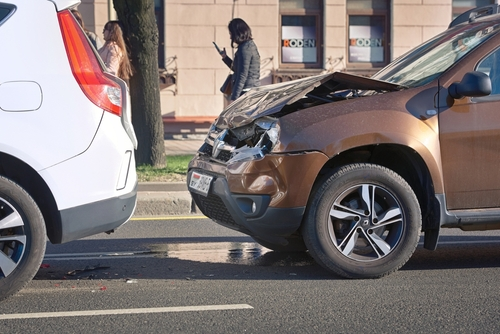
Vehicle Damage Photos
Photographs of the vehicles involved can provide visual proof of how the accident unfolded. For example:
- Damage to the rear of one car and the front of another often indicates a rear-end collision.
- Side damage to one vehicle can suggest a T-bone accident.
Take photos from multiple angles, including close-ups of damage and wide shots showing vehicle positions and surroundings.
Skid Marks and Debris Patterns
The roadway itself often holds crucial clues. Skid marks and debris can reveal:
- How fast vehicles were traveling.
- Whether a driver braked or tried to swerve.
- The impact’s location and direction.
Accident reconstruction experts frequently use this evidence to create detailed analyses of the crash.
You and your attorney must collect and preserve as much evidence as possible after an accident. Every piece of information strengthens your ability to prove fault and recover fair compensation. A car accident attorney can help you collect, review, organize, and present this evidence effectively to support your claim.
State Laws That Impact Fault
Fault doesn’t exist in a vacuum. The laws of your state shape how responsibility is assigned.
Comparative Negligence Rules
In states like Colorado, comparative negligence applies. If you’re partially at fault, your compensation decreases by your percentage of responsibility. For example, if you’re 20% at fault, you’d recover 80% of your damages.
At-Fault vs. No-Fault States
Colorado follows an at-fault system, meaning the driver who caused the accident—or their insurance—pays for damages. In no-fault states, drivers turn to their own insurance first, regardless of who caused the crash.
Right-of-Way Laws
Colorado’s right-of-way laws dictate how drivers should yield. For example, left-turning drivers must let oncoming traffic pass, and drivers at stop signs must wait for the intersection to clear. Violations often determine fault.
Traffic Regulations
Speed limits, traffic signals, and lane markings provide clear rules. A driver who violates these rules, like running a red light, is often found responsible.
Steps to Document Fault at the Accident Scene
The moments after a crash are stressful, but taking these steps can make proving fault easier later.
Role of Insurance Companies
Insurance companies play a central role in resolving car accident claims, but their interests often conflict with yours.
When Multiple Parties Share Fault
Fault isn’t always clear-cut. In some accidents, responsibility is divided among several parties.
Contact an Experienced Car Accident Attorney Now
Determining fault after a car accident isn’t just about assigning blame—it’s about protecting your right to fair compensation. The process requires gathering evidence, interpreting laws, and standing up to insurance companies that may try to reduce or deny your claim.
At Franklin D. Azar Car & Truck Accident Lawyers, we have the resources and experience to investigate your accident thoroughly, prove fault, and help you recover what you deserve. Don’t let an at-fault driver or uncooperative insurance company leave you without the support you need.
Contact our firm today for a free consultation. Let us take on the burden of your case so you can focus on healing and moving forward.